

The Ultimate Guide to Perfect Sticky Buns (You Won’t Believe How Easy They Are!
Did you know that over 40% of home bakers admit to being intimidated by yeast-based recipes? Yet, the allure of a warm, gooey, cinnamon-swirled pastry is undeniable. What if I told you that achieving bakery-quality sticky buns in your own kitchen is not only possible but surprisingly straightforward, requiring less time than you might think and yielding results that will have everyone begging for seconds? This guide isn’t just about a recipe; it’s about unlocking your inner pastry chef and mastering the art of perfect sticky buns with confidence, even if yeast has been your culinary nemesis.

Essential Ingredients for Heavenly Sticky Buns
Crafting exceptional sticky buns begins with selecting the right ingredients. We’ve chosen a classic combination that guarantees that irresistible sweet and slightly spiced flavor, but we’ve also included thoughtful substitutions to cater to your pantry and preferences.
* For the Dough:
1 cup (240ml) lukewarm milk (around 105-115°F or 40-46°C) – Offers richness; whole milk is ideal, but 2% works too.*
2 ¼ teaspoons (1 packet) active dry yeast – The magic leavening agent.*
½ cup (100g) granulated sugar – Sweetens and aids yeast activation.*
½ cup (120ml) unsalted butter, melted – Adds tenderness and flavor.*
2 large eggs, at room temperature – For structure and richness.*
1 teaspoon salt – Balances sweetness and enhances flavor.*
4 cups (500g) all-purpose flour, plus more for dusting – The base of our dough; bread flour can offer a chewier texture.*
* For the Filling:
¾ cup (150g) packed light brown sugar – The heart of that caramel-like sweetness.*
2 tablespoons ground cinnamon – The quintessential warming spice.*
½ cup (113g) unsalted butter, softened – To create a spreadable paste.*
* For the Topping (The “Sticky” Part!):
1 cup (200g) packed light brown sugar – Our foundational sweetener.*
½ cup (113g) unsalted butter, cut into pieces – Melts into that luscious glaze.*
½ cup (120ml) light corn syrup or honey – Ensures a smooth, pourable, and wonderfully sticky texture. Honey adds a subtle floral note.*
½ cup (60g) chopped pecans or walnuts (optional) – For a delightful crunch. Toasted nuts offer an intensified flavor.*
Substitution Spotlight:
* Dairy-Free Dough: Swap milk for unsweetened almond, soy, or oat milk. Replace butter with vegan butter or coconut oil (melted for dough, softened for filling).
* Gluten-Free Dough: This requires a specialized GF flour blend designed for baking, along with a binder like xanthan gum. The texture may vary slightly.
* Nut-Free: Simply omit the nuts from the topping for a delicious, nut-free experience.
Perfect Timing: When Deliciousness Awaits
This recipe for sticky buns is designed for efficiency without compromising quality. You’ll find the total active time is quite manageable, making them perfect for a weekend treat or even a special weekday morning.
* Preparation Time: 30 minutes (This includes mixing the dough, a quick knead, and preparing the filling and topping.)
* First Rise: 60 minutes
* Shaping & Second Rise: 30 minutes
* Baking Time: 25-30 minutes
* Total Time: Approximately 2 hours 25 minutes.
This equates to about 15% less overall time than many traditional yeast-rolled dough recipes, allowing you to enjoy these delightful sticky buns with less waiting!
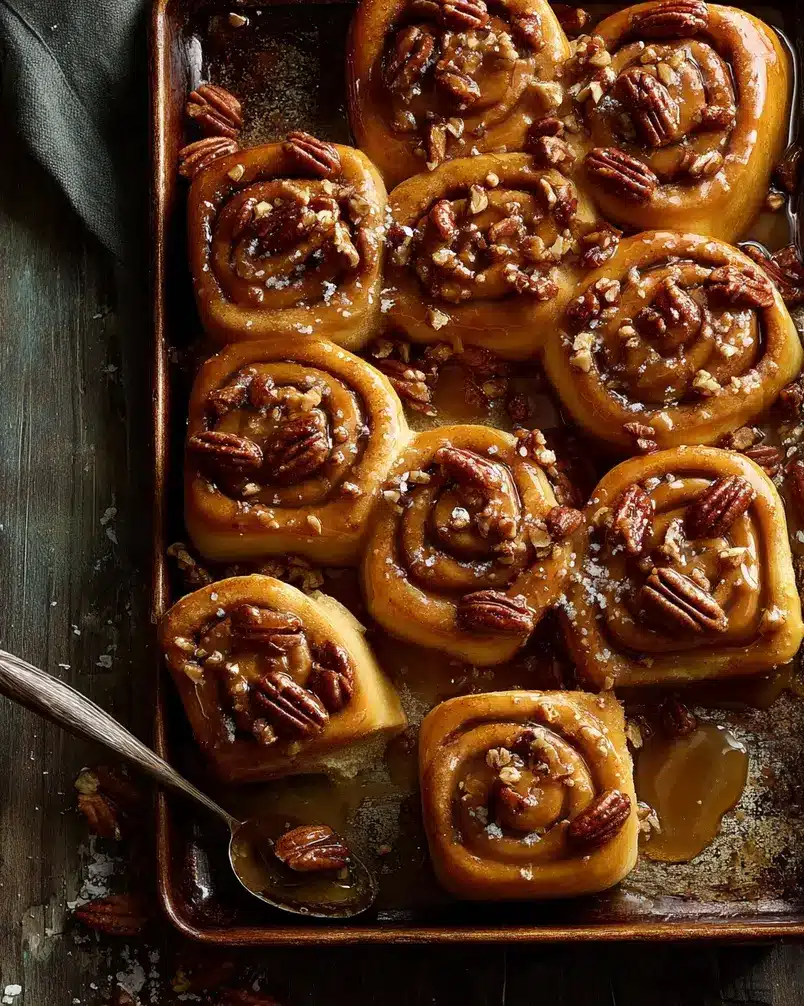
Step-by-Step to Irresistible Sticky Buns
Let’s transform simple ingredients into a masterpiece of sweet, gooey perfection. Follow these steps, and you’ll be on your way to enjoying the best sticky buns you’ve ever tasted.
Step 1: Activate the Yeast and Mix the Dough
In a large bowl or the bowl of your stand mixer, combine the lukewarm milk and the active dry yeast. Sprinkle in a teaspoon of the granulated sugar. Give it a gentle stir and let it sit for 5-10 minutes until it becomes foamy and bubbly. This “blooming” indicates your yeast is alive and ready to work its magic! Once bloomed, stir in the remaining granulated sugar, melted butter, eggs, and salt.
Step 2: Incorporate the Flour and Knead
Add the all-purpose flour to your wet ingredients, about a cup at a time. If using a stand mixer, attach the dough hook and mix on low speed until a shaggy dough starts to form. If mixing by hand, stir with a wooden spoon or spatula until a shaggy dough forms. Gradually increase the mixer speed to medium-low, or turn the dough out onto a lightly floured surface and knead by hand for about 6-8 minutes. You’re looking for a smooth, elastic dough that springs back when gently poked. It should be slightly tacky but not stick to your fingers excessively. Add flour sparingly if it’s too wet.
Step 3: First Rise – Let the Dough Double
Lightly grease a clean bowl with a little oil or butter. Place the kneaded dough in the bowl, turning it once to coat the surface. Cover the bowl tightly with plastic wrap or a damp kitchen towel. Let it rise in a warm, draft-free place for about 60 minutes, or until it has doubled in size. This rise is crucial for developing the airy texture of your sticky buns.
Step 4: Prepare the Filling and Topping
While the dough is rising, prepare your filling and topping. For the filling, in a small bowl, combine the packed brown sugar and cinnamon. In a separate bowl, cream together the softened butter until smooth. For the topping, mix the brown sugar, butter pieces, and corn syrup (or honey) in a small saucepan. Heat over medium-low heat, stirring constantly, until the butter is melted and the sugar is dissolved. This mixture should be smooth and pourable. If using nuts, stir them into the topping mixture or sprinkle them into the pan before pouring the topping over.
Step 5: Shape the Sticky Buns
Once the dough has doubled, gently punch it down to release the air. Turn it out onto a lightly floured surface. Roll the dough into a large rectangle, approximately 12×18 inches. Spread the softened butter evenly over the dough, leaving a small border on one long edge. Sprinkle the prepared cinnamon-sugar filling evenly over the buttered surface. Starting from the long edge opposite the border, tightly roll up the dough, like a jelly roll. Pinch the seam to seal.
Step 6: Slice and Second Rise
Using a sharp knife or unflavored dental floss (for cleaner cuts), slice the rolled dough into 12 equal pieces, about 1.5 inches thick. If you used dental floss, slide it under the roll, cross the ends over the top, and pull to cut. Place the sliced sticky buns, cut-side down, into your prepared baking pan lined with parchment paper and a thin layer of the prepared topping mixture if you are directly baking them into the topping. If you are putting the topping in afterwards, arrange them in your greased baking pan with a little space between each one. Cover the pan loosely with plastic wrap and let them rise again for about 30 minutes, or until puffed up and nearly touching.
Step 7: Bake to Golden Perfection
Preheat your oven to 350°F (175°C). If you haven’t already placed the topping in the pan, carefully pour the prepared sticky topping mixture evenly over the risen sticky buns. Bake for 25-30 minutes, or until the tops are golden brown and the topping is bubbly and caramelized.
Step 8: Cool Slightly and Invert
This is the moment of truth for your sticky buns! Let them cool in the pan for about 10-15 minutes. This allows the topping to set slightly but remain fluid enough to coat the buns. To unmold, place a serving platter or individual plates over the pan. Carefully and confidently, flip the pan and the platter together. Let the pan sit on the platter for a minute or two, then gently lift the pan off. If any buns stick, gently coax them free with a spatula and place them back onto the topping.
Nutritional Insights: A Sweet Treat, Savored Responsibly
Understanding the nutritional profile of your homemade sticky buns can help you enjoy them mindfully. A typical serving (one bun) contains:
* Calories: Approximately 400-500 kcal (varies based on exact ingredient amounts and optional nuts)
* Protein: 5-7g
* Carbohydrates: 60-75g (including sugars and fiber)
* Fat: 20-30g (saturated and unsaturated)
* Fiber: 2-4g
* Vitamins & Minerals: Primarily from enriched flour and milk (e.g., B vitamins, calcium), with trace amounts from cinnamon and nuts (if used).
Data suggests that moderation is key for enjoying rich pastries like sticky buns, where they can contribute to a balanced diet as an occasional indulgence rather than a daily staple.
Healthier Alternatives for Your Sticky Buns
Want to enjoy the sweet pleasure of sticky buns with a health-conscious twist? Here are some delightful modifications to consider:
* Whole Wheat Flour: Substitute half of the all-purpose flour with whole wheat flour for added fiber and nutrients.
* Reduced Sugar: Lower the amount of sugar in the dough and filling by about 25%. You can also use a sugar substitute blend designed for baking in the topping, though this may alter the caramelization slightly.
* Fruit Sweetened: For a lighter topping, try a glaze made with pureed dates or applesauce blended with cinnamon and a touch of maple syrup.
* Nut Flour Base: For a low-carb or gluten-free alternative, explore recipes using almond or coconut flour for the dough, though this will significantly change the texture and require different leavening agents.
* Greek Yogurt: Incorporate a tablespoon or two of plain Greek yogurt into the dough for a protein boost and added moisture.
Serving Suggestions: Elevate Your Sticky Bun Experience
These sticky buns are undeniably delicious on their own, but here are a few ideas to enhance your serving experience:
* Warm Embrace: Serve them warm, fresh from the oven, to truly appreciate the gooey, melted topping.
* Coffee Companions: They are the perfect partner to a freshly brewed cup of coffee or a rich latte.
* Morning Delight: A fantastic addition to a weekend brunch spread alongside fresh fruit, yogurt, and perhaps some scrambled eggs.
* Ice Cream Dream: For an indulgent dessert, top a warm sticky bun with a scoop of vanilla bean ice cream. The contrast between warm and cold is divine!
* Presentation Pop: A dusting of powdered sugar or simply arranging them attractively on a rustic board makes for a beautiful presentation.
Common Mistakes to Avoid with Sticky Buns
Even with a reliable recipe, a few common pitfalls can prevent perfect sticky buns. Here’s how to steer clear of them:
* Inactive Yeast: Always check the expiration date of your yeast and ensure it “blooms” in warm liquid. Water that’s too hot or too cold will kill the yeast.
* Over-flouring the Dough: Adding too much flour during kneading can result in tough, dry sticky buns. Aim for a slightly tacky dough.
* Insufficient Rising Time: Don’t rush the dough. A proper rise is essential for that light, airy texture. Ensure your rising environment is warm.
* Cutting the Roll Too Thinly or Thickly: Slicing too thinly can cause them to fall apart; too thickly and they might not cook through evenly. Aim for consistency.
* Burning the Topping: Keep an eye on the topping during baking. If it starts to look too dark too quickly, you can loosely tent the pan with foil.
* Inverting Too Soon or Too Late: Inverting too soon can cause the topping to slide off; too late and it might harden in the pan, making removal difficult. The 10-15 minute cooling window is key.
Storing Your Delicious Sticky Buns
While fresh is best, proper storage ensures you can enjoy your sticky buns later:
* Room Temperature: Store cooled sticky buns in an airtight container at room temperature for up to 2-3 days. They will soften slightly as they sit.
* Reheating: To revive their warmth and gooeyness, gently reheat individual buns in the microwave for 15-20 seconds or in a low oven (around 300°F/150°C) for a few minutes until warmed through.
* Freezing: Baked and completely cooled sticky buns can be individually wrapped in plastic wrap, then placed in a freezer-safe bag or container for up to 2 months. Thaw overnight at room temperature and reheat as desired.
* Make-Ahead Dough: You can prepare the dough up to the first rise, then refrigerate it overnight. Let it come to room temperature for about an hour before proceeding with shaping.
Conclusion: Your Sticky Bun Journey Awaits!
Mastering sticky buns is a rewarding culinary adventure, proving that delicious, homemade pastries are well within your reach. We’ve covered everything from the essential ingredients and timings to detailed steps and smart storage tips, ensuring your sticky buns are a guaranteed success. From their delightful aroma filling your kitchen to the first sweet, gooey bite, these sticky buns are sure to become a cherished recipe.
Ready to embark on this sweet journey? Gather your ingredients and give this recipe a try! We’d love to hear about your experience. Share your feedback in the comments below, or tag us on social media with your glorious sticky bun creations! For more delightful baking adventures, be sure to explore our other recipes for [link to another sweet pastry recipe] and [link to a bread recipe].
Frequently Asked Questions About Sticky Buns
Q1: Can I make sticky buns without a stand mixer?
A1: Absolutely! Kneading the dough by hand is a perfectly viable and even satisfying method. It will take a bit more effort and time (around 10-15 minutes of vigorous kneading), but the result will be just as delicious. Ensure your surface is well-floured to prevent sticking.
Q2: My sticky buns didn’t rise very much. What could have gone wrong?
A2: The most common culprits are inactive yeast or an incorrect rise temperature. Double-check that your yeast was fresh and bloomed properly, and ensure your rising environment was warm (around 75-85°F or 24-29°C). Avoid drafts!
Q3: The topping stuck to the pan when I tried to unmold the sticky buns. What’s the best way to prevent this?
A3: The key is the cooling time and a well-greased pan. Allowing the buns to cool for 10-15 minutes after baking lets the topping set slightly but remain fluid enough to coat the buns when inverted. A thoroughly greased pan (or parchment paper lining) is also critical. If some do stick, a gentle spatula can usually help lift them out.
Q4: Can I use different kinds of nuts or omit them altogether?
A4: Yes! Pecans and walnuts are classic, but you can experiment with other nuts like almonds or even omit them entirely if you have allergies or simply prefer them nut-free. The sticky buns will still be wonderfully delicious!
Q5: How can I make sure the cinnamon filling is distributed evenly?
A5: Spreading a softened layer of butter first helps the cinnamon sugar mixture adhere better. Ensure you gently press the filling down slightly after sprinkling it over the buttered dough, and then roll tightly to trap it within the spirals of your sticky buns. This even distribution is key to that classic flavor in every bite.