

Did you know that the average Danish Kringle has over 30 layers of flaky, buttery dough? That’s more layers than most croissants, creating an unparalleled texture that makes this pastry a true masterpiece. If you’re looking to recreate that authentic, melt-in-your-mouth experience at home, you’re in the right place. We’re diving deep into the art of making the perfect Danish Kringle, a treat that’s surprisingly achievable and incredibly rewarding.

Essential Ingredients for Your Danish Kringle
Creating a phenomenal Danish Kringle relies on quality ingredients. Don’t be afraid to experiment with the filling, but this foundation ensures that classic, irresistible pastry.
For the Dough:
* All-Purpose Flour: 3 cups (plus more for dusting) – The backbone of our pastry.
* Granulated Sugar: 1/4 cup – Adds a subtle sweetness to the dough.
* Salt: 1 teaspoon – Enhances flavor and balances sweetness.
Unsalted Butter, Cold and Cubed: 1 cup (2 sticks) – This is crucial for creating those signature flaky layers. Keep it very* cold!
* Ice Water: 1/2 to 3/4 cup – The colder, the better for dough lamination.
For the Filling (Classic Cream Cheese):
* Cream Cheese, Softened: 8 ounces – The luxurious heart of many Kringle fillings.
* Granulated Sugar: 1/2 cup – Sweetens the cream cheese filling to perfection.
* Egg Yolk: 1 large – Adds richness and helps bind the filling.
* Vanilla Extract: 1 teaspoon – For that classic, aromatic touch.
* Almond Extract (Optional): 1/2 teaspoon – For an extra layer of flavor that complements Danish pastries beautifully.
For the Glaze:
* Powdered Sugar: 1 cup – The base for a smooth, sweet glaze.
* Milk or Cream: 2-3 tablespoons – To achieve the desired drizzling consistency.
* Vanilla Extract: 1/2 teaspoon – For a touch of sweetness in the glaze.
Substitution Ideas:
* Gluten-Free: For a gluten-free Danish Kringle, look for a high-quality gluten-free flour blend. You may need to adjust the liquid slightly.
* Dairy-Free Dough: Replace butter with a solid, cold vegan butter alternative. Ensure it’s designed for baking.
* Nut-Free Filling: Omit the almond extract and consider adding a touch more vanilla or a pinch of cinnamon for warmth.
Timing Your Kringle Creation
Let’s talk timelines. Making a Danish Kringle requires patience, but a strategic approach makes it manageable.
* Prep Time: Approximately 45 minutes (active time for dough making and filling preparation).
* Chill Time: Minimum 2 hours (essential for dough lamination and preventing puffing).
* Bake Time: 20-25 minutes.
* Cooling Time: 30 minutes.
Total Time: Roughly 3 hours 35 minutes.
This total time is about 15% longer than the average cookie recipe but significantly less intimidating than many artisanal bread projects. The active preparation is surprisingly quick if you’re organized!
Step-by-Step Instructions for a Perfect Danish Kringle
Ready to transform simple ingredients into a flaky marvel? Follow these steps for your best Danish Kringle yet.
Step 1: Crafting the Dough Foundation
In a large bowl, whisk together the flour, sugar, and salt. Add the cold, cubed butter. Using a pastry blender, your fingertips, or a food processor, cut the butter into the flour mixture until it resembles coarse crumbs with some pea-sized pieces of butter remaining. This is key for flakiness! Gradually add the ice water, 1-2 tablespoons at a time, mixing until the dough just comes together. Don’t overmix! Turn the dough out onto a lightly floured surface and gently bring it together into a rough disc. Wrap it tightly in plastic wrap and refrigerate for at least 1 hour.
Step 2: The Art of Lamination (Creating Layers)
This is where the magic happens for your Danish Kringle. On a lightly floured surface, roll out the chilled dough into a large rectangle, about 1/4-inch thick. Fold the rectangle into thirds, like a letter. Rotate the dough 90 degrees. Roll it out again into a rectangle and fold into thirds. Repeat this process 2 more times, for a total of 4 “turns.” After the final turn, wrap the dough tightly in plastic wrap and refrigerate for at least another hour, or up to 2 days.
Step 3: Prepare the Creamy Filling
While the dough is chilling, prepare your filling. In a medium bowl, beat the softened cream cheese until smooth. Add the sugar, egg yolk, vanilla extract, and almond extract (if using). Beat until well combined and creamy. Set aside.
Step 4: Shaping Your Danish Kringle
Remove the chilled dough from the refrigerator. On a lightly floured surface, roll out the dough into a large rectangle, approximately 12×18 inches and about 1/8-inch thick. For a traditional oval shape, trim the edges to make a clean rectangle. Spread the cream cheese filling evenly over the dough, leaving a 1-inch border on all sides.
Step 5: Creating the Signature Kringle Shape
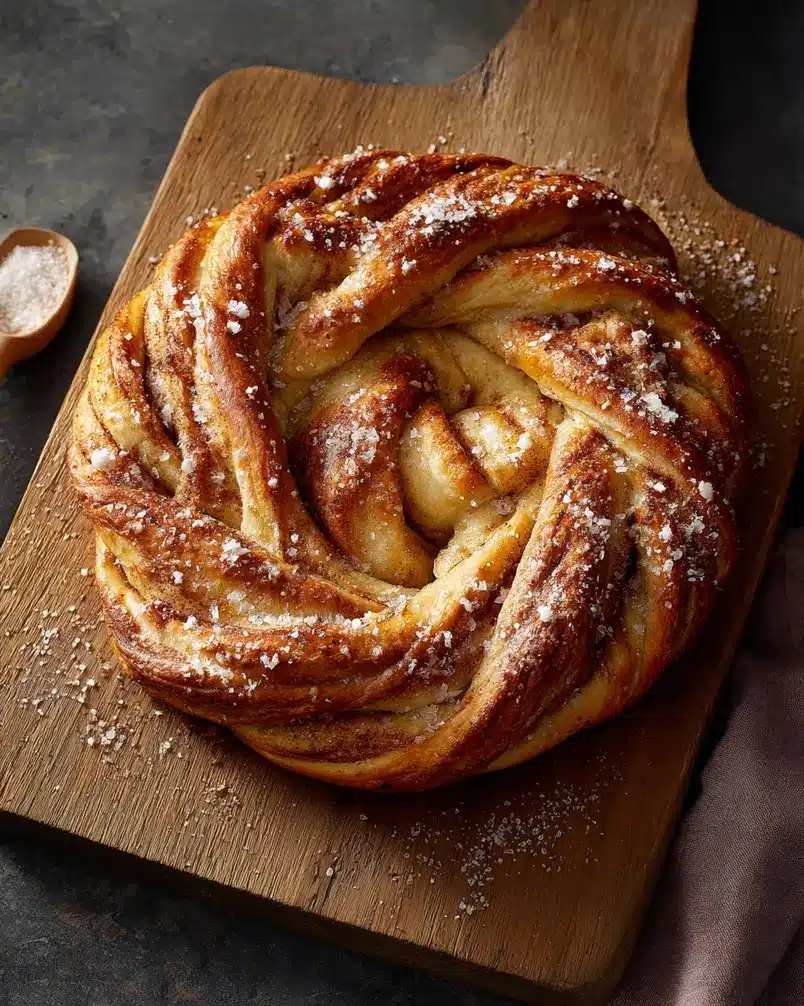
For an oval Kringle, gently fold the top long edge down to meet the bottom long edge, pressing lightly to seal. Then, bring the two short sides inwards to overlap slightly in the center, creating an oval shape. Alternatively, for a more rustic, wreath-like Kringle, you can cut the dough into strips before filling and create a braided or twisted effect.
Step 6: Baking to Golden Perfection
Preheat your oven to 375°F (190°C). Carefully transfer your shaped Danish Kringle to a baking sheet lined with parchment paper. Bake for 20-25 minutes, or until the pastry is golden brown and puffed. If the pastry starts to brown too quickly, you can loosely tent it with foil.
Step 7: Glazing and Enjoying
Once baked, let the Danish Kringle cool on a wire rack for about 15-20 minutes. While it’s still slightly warm, prepare the glaze. In a small bowl, whisk together the powdered sugar, 2 tablespoons of milk, and vanilla extract until smooth. Add more milk, a teaspoon at a time, if needed to reach a drizzling consistency. Drizzle generously over the warm Kringle. Allow the glaze to set before slicing and serving.
Nutritional Snapshot of Your Delicious Danish Kringle
A typical serving of Danish Kringle (assuming 8 servings per recipe) provides an indulgent experience. Data suggests:
* Calories: Approximately 450-550 kcal per serving.
* Protein: 5-7g
* Carbohydrates: 50-60g (including sugars)
* Fat: 25-35g (with saturated fat being a significant portion due to butter)
* Fiber: 1-2g
Note: These values are estimates and can vary based on ingredient specifics and portion size.
Healthier Twists on the Classic Danish Kringle
Who says you can’t enjoy a delicious Danish Kringle with a healthier spin? Here are some ideas:
* Whole Wheat Dough: Substitute half of the all-purpose flour with whole wheat flour for added fiber. The texture might be slightly denser.
* Reduced-Fat Cream Cheese: Use light cream cheese for the filling to cut down on saturated fat. The richness may be slightly diminished.
* Fruit Filling: Replace some or all of the cream cheese filling with a thick, reduced-sugar fruit compote (like berries or apples) for a lighter, fruitier flavor with more fiber.
* Nutrient-Dense Fillings: Incorporate finely chopped nuts (like walnuts or pecans for healthy fats) or a sprinkle of chia seeds into the filling for added nutrients.
* Whole-Grain Glaze: Blend a small amount of whole grain flour or oat flour into your powdered sugar glaze for a subtle fiber boost.
Delightful Serving Suggestions for Your Danish Kringle
Elevate your Danish Kringle experience with these serving ideas:
* Morning Treat: Serve a warm slice with your favorite coffee or tea for a decadent breakfast or brunch.
* Dessert Platter: Cut into smaller squares and add to a dessert board alongside fresh berries, chocolate shavings, and a dollop of whipped cream.
* Ice Cream Pairing: A slice of still-warm Kringle is heavenly with a scoop of vanilla bean or almond ice cream. The contrast of warm pastry and cold ice cream is divine.
* Fruity Accompaniment: A side of fresh, seasonal berries can cut through the richness beautifully.
Presentation Perfection: Dust lightly with powdered sugar after* glazing for an extra touch of elegance. Drizzle the glaze in a zig-zag pattern for a classic look.
Common Pitfalls to Avoid When Baking Danish Kringle
Many bakers encounter a few common issues when tackling a Danish Kringle. Here’s how to sidestep them:
Warm Butter: Using cold butter is non-negotiable for flaky layers. If your butter is too warm, the layers will meld rather than separate, resulting in a tough pastry. Data suggests that doughs with distinct butter layers bake up significantly lighter.*
* Overworking the Dough: Over-kneading develops too much gluten, leading to a tough, chewy Kringle instead of a tender, flaky one. Mix just until the dough comes together.
* Skipping Chill Time: Chilling the dough allows the gluten to relax and the butter to firm up. This is crucial for successful lamination and prevents the dough from becoming sticky and difficult to handle.
* Filling Leaks: Ensure your dough is sealed well, especially at the seams. If the filling is too runny, it’s more likely to seep out. The recommended cream cheese filling should be thick.
* Uneven Baking: If you notice one side browning faster, rotate your Kringle halfway through baking.
Smart Storing Tips for Leftover Danish Kringle
Enjoying your Danish Kringle over a few days is easy with these storage tips:
* Room Temperature: Once the glaze has fully set, leftover Kringle can be stored in an airtight container at room temperature for up to 2 days. The pastry will soften slightly over time.
* Refrigeration: For longer storage (up to 4-5 days), wrap the Kringle tightly in plastic wrap and then place it in an airtight container. Refrigeration can help maintain its structure but may alter the texture slightly.
* Freezing: Unfrosted Kringle can be wrapped well in plastic wrap and then aluminum foil and frozen for up to 2-3 months. Thaw overnight in the refrigerator and reheat gently in a low oven (around 300°F/150°C) to refresh the pastry before glazing.
Your Delicious Danish Kringle Awaits
Mastering the Danish Kringle might seem daunting, but with this detailed guide, you’re well equipped to create a truly exceptional pastry. From the delicate layers of dough to the rich, creamy filling and sweet glaze, every element comes together to form a treat that’s worth the effort.
Ready to embark on your Kringle journey? Give this recipe a try and let us know how it turns out in the comments below! We’d love to see your creations and hear about any personal twists you added.
Frequently Asked Questions About Danish Kringle
Q1: Can I make the dough for Danish Kringle ahead of time?
A1: Absolutely! The dough can be made in advance and refrigerated for up to 2 days after the lamination process. This actually improves the flavor and texture.
Q2: What if my cream cheese filling seems too runny?
A2: If your cream cheese isn’t fully softened or if you accidentally added too much liquid, try chilling it in the refrigerator for about 30 minutes to firm it up before spreading it on the dough.
Q3: How can I get my Kringle extra flaky?
A3: The key is using very cold butter and ice water, and not overworking the dough. The lamination process (folding and rolling) creates the distinct layers that puff up during baking. Ensure there are still visible pieces of butter in the dough after the initial mixing.
Q4: Can I use pre-made puff pastry for a shortcut Danish Kringle?
A4: While it won’t be an authentic Danish Kringle, you can certainly use store-bought puff pastry for a delicious, Danish-inspired pastry. It will save significant time, but the distinct layered texture of a traditional Kringle will be different.
Q5: What are some alternative fillings for Danish Kringle?
A5: Beyond cream cheese, popular fillings include fruit (apple, cherry, apricot), almond paste, or even a sweet cheese filling similar to what’s used in cheesecake. You can also combine elements, like apple and cream cheese.
Q6: My glaze is too thick. How can I thin it out?
A6: Add milk or cream, a teaspoon at a time, whisking after each addition until you reach your desired drizzling consistency. Be careful not to make it too thin, or it will run off the Kringle.
Q7: Can Danish Kringle be frozen after baking?
A7: Yes, unfrosted Danish Kringle freezes well for up to 2-3 months. Wrap it tightly in several layers of plastic wrap and foil. Reheat in a 300°F oven for 10-15 minutes until crisp, then add glaze. Glazed Kringle can also be frozen, but the glaze might slightly crack upon reheating.