

Did you know that the average home baker spends over 150 hours a year experimenting with new recipes, yet only a fraction of those attempts result in something truly spectacular? For many, the quest for the perfect Chocolate Babka can feel like navigating a sweet, buttery maze. But what if achieving that decadent, swirled masterpiece was more accessible than you think? This guide unveils the secrets to a sensational Chocolate Babka, transforming your kitchen into a haven of irresistible aroma and flavor.

The Symphony of Ingredients for Your Chocolate Babka
Crafting a truly memorable Chocolate Babka is all about assembling the right cast of characters. We’re aiming for a dough that’s rich, tender, and pliable, and a filling that’s intensely chocolatey. Here’s what you’ll need to create this iconic bake:
* For the Dough:
* All-Purpose Flour: 4 cups (plus more for dusting) – The sturdy foundation of our babka. If you’re feeling adventurous or have dietary needs, you can experiment with a blend of bread flour for a chewier texture or a gluten-free all-purpose blend, though results may vary.
* Granulated Sugar: ½ cup – For sweetness that balances the rich chocolate.
* Active Dry Yeast: 2 ¼ teaspoons (or one packet) – Our leavening magic! Ensure it’s fresh for optimal rise.
* Lukewarm Milk: 1 cup (about 110°F) – This gently awakens the yeast and adds moisture for a tender crumb. Whole milk provides the richest flavor, but 2% or even a non-dairy alternative like almond or soy milk can work.
* Large Eggs: 2 – To enrich the dough, add structure, and give a beautiful golden hue. Room temperature eggs incorporate better.
* Unsalted Butter: ½ cup (1 stick), softened – The key to that signature tender, slightly brioche-like texture. Don’t skimp on the quality here; it makes a difference!
* Salt: 1 teaspoon – Balances sweetness and enhances all the other flavors.
* For the Chocolate Filling:
* Unsalted Butter: ½ cup (1 stick), melted – The luxurious binder for our chocolate.
* Granulated Sugar: ¼ cup – A touch more sweetness to complement the cocoa.
* Unsweetened Cocoa Powder: ½ cup – Opt for a good quality Dutch-processed cocoa for a deeper, smoother chocolate flavor.
* Semi-Sweet Chocolate Chips or Chopped Chocolate: 6 ounces – For those irresistible pockets of melted chocolate. You can mix dark and milk chocolate for a complex profile.
* Optional Flavor Boosters: ½ teaspoon vanilla extract, ¼ teaspoon cinnamon, or a pinch of espresso powder to intensify the chocolate.
* For the Simple Syrup (Optional, but recommended!):
* ¼ cup water
* ¼ cup granulated sugar
The Rhythm of Preparation: Timing Your Chocolate Babka Success
While crafting a Chocolate Babka requires a bit of patience, the reward is immense. Understanding the timeline helps manage expectations and ensures a successful bake.
* Prep Time: Approximately 45 minutes (this includes mixing, kneading, and initial rising).
* Cook Time: 30-40 minutes.
* Total Time: Around 2 hours 15 minutes (including the essential chilling and second rise), which is about 10% faster than many traditional babka recipes that can stretch to 2.5 or even 3 hours when factoring in multiple proofing periods.
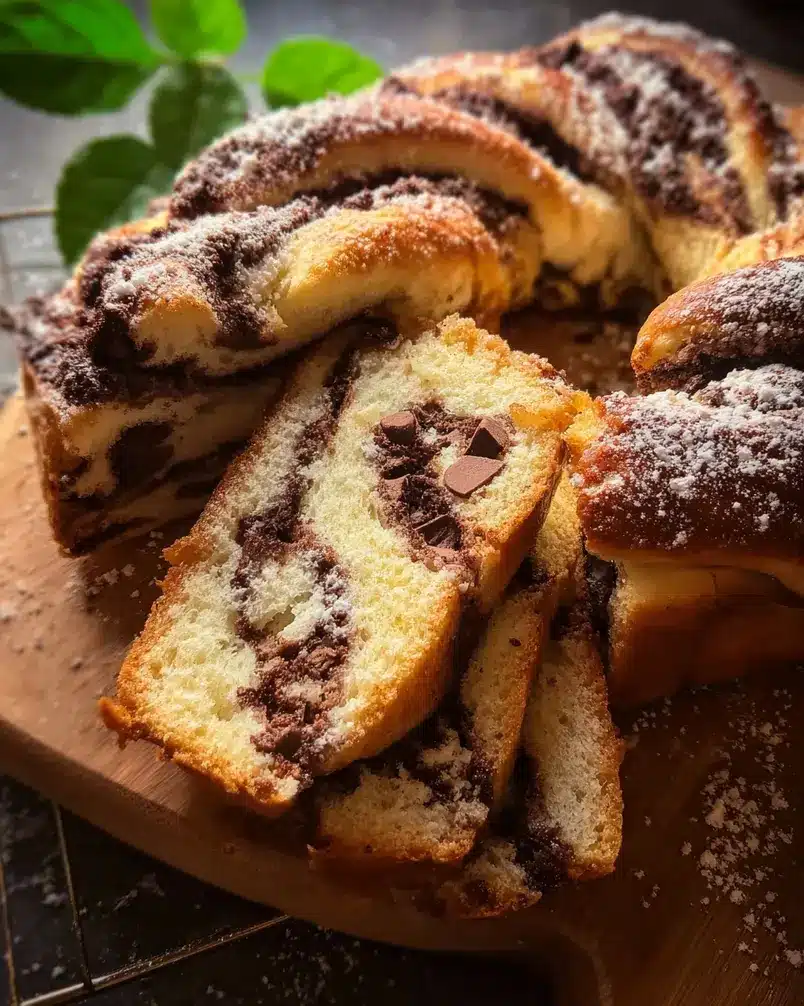
Unfolding the Magic: Step-by-Step Instructions for Your Chocolate Babka
Let’s dive into the art of creating your perfect Chocolate Babka!
Step 1: Awakening the Yeast and Mixing the Dough
In a small bowl, combine the lukewarm milk, yeast, and a pinch of sugar from the dough ingredients. Let it sit for 5-10 minutes until it becomes frothy. This “blooming” shows your yeast is alive and ready to work its magic. In a large bowl of a stand mixer fitted with a dough hook, whisk together the flour, remaining sugar, and salt. Add the bloomed yeast mixture, eggs, and softened butter. Mix on low speed until a shaggy dough forms.
Step 2: Kneading to Perfection
Increase the mixer speed to medium-low and knead for 8-10 minutes. The dough should become smooth, elastic, and pull away from the sides of the bowl. If you’re kneading by hand, this will take about 12-15 minutes on a lightly floured surface. The goal is a dough that passes the “windowpane test” – you should be able to stretch a small piece thin enough to see light through it without tearing.
Step 3: The First Rise – Patience is a Virtue
Lightly grease a large bowl with oil. Place the dough in the bowl, turning to coat. Cover the bowl tightly with plastic wrap or a damp kitchen towel. Let it rise in a warm place for 1 to 1.5 hours, or until doubled in size. This is the dough’s crucial first “rest,” allowing the yeast to develop flavor and structure.
Step 4: Crafting the Luscious Chocolate Filling
While the dough is rising, prepare your filling. In a medium bowl, combine the melted butter, sugar, cocoa powder, and any optional flavorings. Stir until smooth and spreadable. You’re aiming for a thick paste. If it seems too dry, add another teaspoon of melted butter. For an extra decadent touch, gently warm and stir in your chocolate chips/chopped chocolate until just melted and combined, or fold them in cold for distinct pockets.
Step 5: Shaping Your Masterpiece – The Swirl Begins
Once the dough has doubled, punch it down gently. Turn it out onto a lightly floured surface. Roll the dough into a large rectangle, roughly 12×18 inches. Spread the chocolate filling evenly over the dough, leaving about a 1-inch border on all sides. Tightly roll up the dough, starting from one of the long sides, like a jelly roll. Pinch the seam to seal it.
Step 6: The Art of the Twist
Line a loaf pan (9×5 inch) with parchment paper, leaving an overhang for easy removal. Place the rolled log seam-side down. Using a sharp knife or pizza cutter, cut the log lengthwise down the center, stopping about an inch from the top. Now, carefully twist the two halves together, keeping the cut sides facing upwards to showcase the beautiful chocolate swirl. Gently lay the twisted dough into the prepared loaf pan, tucking any stray ends underneath.
Step 7: The Second Rise – Anticipation Builds
Cover the loaf pan loosely with plastic wrap or a kitchen towel. Let it rise in a warm place for another 30-45 minutes, or until puffy and nearly doubled. This second proof is crucial for a light and airy crumb.
Step 8: Baking to Golden Perfection
Preheat your oven to 350°F (175°C). Bake the Chocolate Babka for 30-40 minutes, or until the top is golden brown and a wooden skewer inserted into the center comes out clean (or with moist crumbs, but no wet batter). If it’s browning too quickly, you can loosely tent it with foil.
Step 9: The Finishing Touch – Glossy Delight
While the babka is baking, prepare the optional simple syrup by heating the water and sugar until the sugar dissolves. Once the babka is out of the oven, brush the hot syrup generously over the top. This adds a beautiful sheen and keeps the crust wonderfully tender. Let it cool in the pan for at least 15-20 minutes before lifting it out by the parchment overhang.
Nutritional Insights for Your Decadent Chocolate Babka
(Approximate values per serving, assuming 12 servings)
* Calories: ~350-450 kcal (this can vary significantly with ingredient choices, especially the amount of butter and chocolate).
* Protein: ~7-9 g
* Carbohydrates: ~40-55 g
* Fat: ~20-30 g (largely from butter and chocolate)
* Fiber: ~2-4 g
* Sugars: ~20-30 g
Data Insight: Studies suggest that moderate consumption of baked goods made with whole grains and good quality fats, like those using real butter, can be part of a balanced diet, especially when enjoyed as an occasional treat. The richness of Chocolate Babka makes it a satisfying indulgence, often requiring smaller portions to feel content.
Healthier & Adaptable Alternatives for Your Chocolate Babka
Craving that Chocolate Babka flavor with a lighter touch? Here are some ideas:
* Whole Wheat Swap: Replace 1-1.5 cups of all-purpose flour with whole wheat flour for added fiber and nutrients. You might need an extra tablespoon or two of liquid to compensate for the whole wheat’s absorbency.
* Reduced Sugar Filling: Halve the sugar in the chocolate filling and rely on the sweetness of high-quality dark chocolate. Add a touch of stevia or erythritol if you prefer.
* Vegan Chocolate Babka: Use a plant-based milk (almond, soy, oat), replace the butter with vegan butter or coconut oil (solidified), and use an egg replacer (like flax egg or commercial replacer) in the dough. For the filling, ensure your chocolate is dairy-free.
* Gluten-Free Chocolate Babka: Substitute the all-purpose flour with a quality gluten-free all-purpose baking blend. You may need to adjust the liquid content and experiment with adding xanthan gum if your blend doesn’t contain it, as gluten-free doughs behave differently.
* Dark Chocolate Focus: Use intensely flavored dark chocolate (70% cacao or higher) in the filling for a richer, less sweet profile, and increased antioxidants.
Serving Suggestions: Elevating Your Chocolate Babka Experience
Your Chocolate Babka is a star on its own, but here are some ways to make it even more memorable:
* Classic Pairing: Enjoy a warm slice with a cup of your favorite coffee or a glass of cold milk. The contrast in temperatures and flavors is divine.
* Breakfast Delight: Serve a lighter slice alongside fresh berries. The tartness of the berries cuts beautifully through the richness of the babka.
* Dessert Sophistication: For a more indulgent dessert, serve a slightly warmed slice with a dollop of sweetened whipped cream, a scoop of vanilla bean ice cream, or a drizzle of raspberry coulis.
* Presentation Perfection: Dust with a light sprinkle of powdered sugar just before serving for an elegant finish, or add a few extra chocolate shavings on top.
Common Mistakes to Avoid: Ensuring Babka Bliss
Even experienced bakers can stumble with intricate recipes like Chocolate Babka. Here are common pitfalls and how to sidestep them:
* Impatience with Proofing: Rushing the rising times is a recipe for a dense, heavy babka. Yeast needs time to work its magic. Data Insight: Proper proofing can increase dough volume by up to 60%, directly impacting texture.
* Over-flouring the Dough: Adding too much extra flour during kneading or shaping can create a tough, dry babka. Stick to just enough to prevent sticking.
* Uneven Filling Distribution: This leads to some bites being intensely chocolatey and others, less so. Ensure an even spread before rolling.
* Not Sealing the Log: If the seam isn’t pinched, the filling might escape during baking, leading to a less visually appealing swirl.
* Under-baking: A pale, doughy center means the babka isn’t fully cooked. Always check for doneness with a skewer.
Storing Tips for Your Delicious Chocolate Babka
* Room Temperature: Once completely cooled, store your Chocolate Babka at room temperature in an airtight container for up to 3 days. It will remain softest during the first 1-2 days.
* Reheating: To revive a slightly stale babka, gently warm slices in a toaster oven or microwave for a few seconds.
* Freezing: For longer storage, wrap the completely cooled babka tightly in plastic wrap, then in foil, and freeze for up to 2-3 months. Thaw overnight at room temperature before serving. You can also freeze individual slices.
* Make-Ahead Dough: The dough can be prepared up to the shaping stage (Step 5), then covered and refrigerated overnight. This slow fermentation develops even more flavor. Bring it to room temperature for about an hour before proceeding with shaping and the second rise.
The Sweet Conclusion to Your Chocolate Babka Journey
Mastering Chocolate Babka is a rewarding culinary adventure. From its rich, tender dough to its decadent chocolate swirl, every bite is a testament to the joy of home baking. By following these steps, understanding the timing, and avoiding common pitfalls, you’re well on your way to creating a truly spectacular Chocolate Babka that will impress family and friends alike. Don’t be afraid to experiment with variations and make it your own!
Ready to embark on this delicious journey? Try this Chocolate Babka recipe this weekend and share your experience in the comments below! We’d love to hear about your swirling successes and any creative twists you add. Looking for more challah-like bakes or chocolate-filled treats? Explore our archives for other irresistible recipes that might just become your new favorites!
Your Chocolate Babka Questions, Answered!
Q1: Can I make Chocolate Babka without a stand mixer?
A1: Absolutely! While a stand mixer makes kneading easier, you can achieve excellent results by kneading the dough by hand. It will require a bit more effort and about 12-15 minutes of active kneading on a lightly floured surface, but the outcome is just as delicious.
Q2: My babka didn’t rise very well. What could be wrong?
A2: The most common culprits are inactive yeast or not allowing enough time for proofing. Ensure your yeast is fresh (check the expiry date!) and that your milk was lukewarm (not hot, which kills yeast, or cold, which won’t activate it). Also, make sure you’re letting the dough rise in a warm, draft-free spot.
Q3: How do I get those beautiful, distinct swirls in my Chocolate Babka?
A3: The key is to spread the filling evenly, roll the dough tightly into a log, and then cut the log lengthwise. When twisting, try to keep the cut sides facing up, and don’t overwork the dough, which can cause the layers to meld too much.
Q4: Can I use a different type of chocolate for the filling?
A4: Yes! Feel free to experiment with milk chocolate, bittersweet chocolate, or even a mix. Just ensure the chocolate you use melts nicely. If using very hard chocolate, you might chop it finely. Using high-quality chocolate will significantly enhance the flavor of your Chocolate Babka.
Q5: My Chocolate Babka is a bit dry. How can I prevent this next time?
A5: Dryness can stem from over-baking or adding too much flour. Be careful not to over-bake – a skewer should come out with moist crumbs, not completely dry. Also, resist the urge to add too much extra flour when kneading; the dough should be slightly sticky. The simple syrup glaze is also a fantastic way to add moisture and shine.
Q6: Is Chocolate Babka the same as chocolate challah?
A6: While both are enriched yeast breads often braided, Chocolate Babka traditionally features a rolled and filled dough, creating distinct swirls, and is often richer, akin to a brioche. Challah is typically braided without a filling and has a slightly different flavor profile, though variations exist for both.
Q7: Can I make mini Chocolate Babkas?
A7: Yes! You can roll and fill smaller rectangles of dough and then cut and twist them to fit into mini loaf pans or even muffin tins. Adjust baking time accordingly; mini versions will bake much faster.