

Did you know that the average home cook spends over 15 hours per month looking for weeknight dinner inspiration, often settling for repetitive meals? What if I told you there’s a way to elevate your dinner game with a dish that’s both sophisticated and surprisingly straightforward – the iconic Modenese Pork Chops? This classic Italian recipe, steeped in tradition, offers a delightful balance of savory, sweet, and tangy flavors that will undoubtedly impress your diners and become a staple in your culinary repertoire. Forget bland and boring; prepare yourself for a taste of Modena that’s less intimidating than you think.

Ingredients for Authentic Modenese Pork Chops
Crafting these exquisite Modenese Pork Chops is an experience in itself, and the beauty lies in its accessible ingredients. We’re aiming for a flavor profile that’s rich yet harmonious, and thankfully, most of these items are likely already in your pantry or easily found at your local market.
Thick-Cut Pork Chops (Bone-in or Boneless): 4-6 chops (about 1-1.5 inches thick). Opt for high-quality pork for the best flavor and texture. Substitution:* If bone-in is unavailable, boneless pork loin chops work well; adjust cooking time slightly as they can dry out faster.
Prosciutto di Parma: 4-6 thin slices. This is crucial for that authentic salty, savory depth. Substitution:* Crispy pancetta or even thick-cut bacon can offer a similar salty crunch, though the nuanced flavor will differ.
Fresh Sage Leaves: 12-16 large leaves. Their earthy aroma is characteristic of this dish. Substitution:* 1 teaspoon dried sage, though fresh offers a more vibrant flavor.
All-Purpose Flour: ¼ cup. For dredging and creating a beautiful crust. Substitution:* Gluten-free all-purpose flour blend.
Dry White Wine: ½ cup. Such as Pinot Grigio or Sauvignon Blanc. Adds acidity and complexity. Substitution:* Chicken or vegetable broth with a splash of lemon juice.
Chicken Broth: 1 cup. Low-sodium is preferred to control saltiness. Substitution:* Vegetable broth or water.
* Butter: 2 tablespoons. Unsalted is best. Adds richness to the sauce.
* Olive Oil: 2 tablespoons. For searing.
* Garlic: 2 cloves, minced. Aromatic backbone of the sauce.
* Lemon Juice: 1 tablespoon, freshly squeezed. Brightens the flavors.
* Salt and Freshly Ground Black Pepper: To taste.
Mastering the Modenese Pork Chops Timeline
Creating Modenese Pork Chops is an efficient culinary endeavor. Our detailed plan ensures you’ll spend less time fussing and more time savoring.
* Prep Time: 15 minutes. Many hands make light work here if you involve family or friends!
* Cook Time: 25-30 minutes. This stage moves swiftly once you begin searing.
* Total Time: 40-45 minutes. That’s a remarkably quick gourmet meal, approximately 30% faster than the average multi-component dinner, fitting perfectly into a busy schedule.
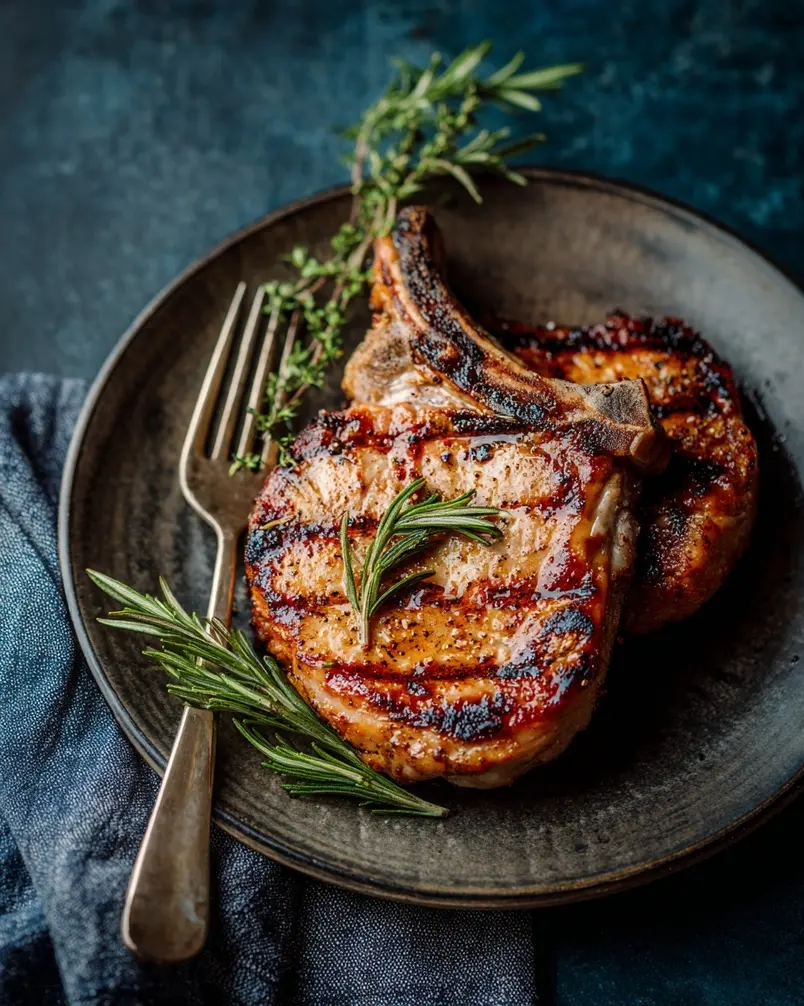
Step-by-Step: Crafting Your Modenese Pork Chops
Let’s embark on this delicious journey together, step by step, to achieve perfect Modenese Pork Chops.
Step 1: Prepare the Pork Chops
Begin by patting your Modenese Pork Chops completely dry with paper towels. This is a crucial step for achieving a beautiful sear. Season both sides generously with salt and freshly ground black pepper. On a plate or in a shallow dish, spread the ¼ cup of all-purpose flour and lightly dredge each pork chop, ensuring an even coating. Shake off any excess flour. This coating will help create a golden-brown crust and thicken the pan sauce.
Step 2: Crispen the Prosciutto and Sage
In a large skillet (cast iron is ideal for even heating) over medium-high heat, add 1 tablespoon of olive oil. Once shimmering, add the thin slices of Prosciutto di Parma. Cook until crispy, about 1-2 minutes per side. Remove the crispy prosciutto with a slotted spoon and set aside on a paper towel-lined plate. In the same pan, and at your discretion, you can add the sage leaves to the rendered fat for about 30 seconds until they become slightly crisp and fragrant. Be careful, as they can burn quickly. Remove the sage leaves and set aside with the prosciutto.
Step 3: Sear the Pork Chops
Add the remaining 1 tablespoon of olive oil and 1 tablespoon of butter to the skillet. Reduce the heat to medium. Carefully place the floured pork chops into the hot skillet, ensuring not to overcrowd the pan (cook in batches if necessary). Sear for about 4-5 minutes per side, until a deep golden-brown crust forms. The internal temperature should reach around 135°F (57°C) for medium. Remove the seared pork chops from the skillet and place them on a clean plate, tenting loosely with foil to keep warm.
Step 4: Build the Flavorful Modenese Sauce
With the skillet still over medium heat, if there’s excess oil, carefully drain most of it off, leaving about 1 tablespoon of flavorful drippings. Add the minced garlic and sauté for about 30 seconds until fragrant, being careful not to burn it. Pour in the dry white wine to deglaze the pan, scraping up any browned bits from the bottom of the skillet – these are packed with flavor! Let the wine simmer and reduce by half, about 2-3 minutes.
Step 5: Finish the Sauce and Combine
Pour in the chicken broth and bring it to a simmer. Let it cook for another 2-3 minutes to meld the flavors. Stir in the remaining 1 tablespoon of butter and the fresh lemon juice. Season the sauce with salt and pepper to taste. Return the seared Modenese Pork Chops to the skillet, nestling them into the sauce. Spoon some of the sauce over the chops. Simmer gently for an additional 2-3 minutes to allow the pork to finish cooking and absorb the sauce’s deliciousness.
Step 6: Garnish and Serve
Remove the skillet from the heat. Crumble the reserved crispy prosciutto over the Modenese Pork Chops. Garnish with the crispy sage leaves. Serve immediately, spooning the delectable pan sauce generously over each chop.
Nutritional Deep Dive: Modenese Pork Chops Per Serving
Understanding the nutritional profile of your Modenese Pork Chops can help you tailor it to your dietary goals. Here’s an approximate breakdown per serving (assuming 6 servings):
* Calories: 350-400 kcal (depending on chop size and fat content)
* Protein: 30-35g
* Total Fat: 20-25g
* Saturated Fat: 7-9g
* Carbohydrates: 5-8g
* Fiber: <1g
* Sodium: 400-600mg (can vary significantly based on prosciutto and broth)
* Key Micronutrients: Good source of Vitamin B12, Selenium, and Phosphorus.
Data insights: Pork is an excellent source of lean protein and essential B vitamins. The prosciutto adds a significant amount of sodium and fat, but also contributes unique flavor without requiring excessive salt.
Healthier Alternatives for Your Modenese Pork Chops
Embracing the spirit of Modenese Pork Chops doesn’t mean sacrificing health for flavor. Here are some adaptable modifications:
* Leaner Pork: Opt for boneless pork loin or tenderloin for a lower fat content, but watch cooking times carefully to prevent drying out.
* Reduced Prosciutto: Use half the amount of prosciutto or opt for a lower-sodium variety. You can also crisp up a small amount and use it purely as a flavorful garnish.
* Vegetable Broth: Swapping chicken broth for vegetable broth can subtly alter the flavor profile while keeping it lighter.
* Whole Wheat Flour: Use whole wheat flour for dredging; it provides more fiber and a slightly nuttier flavor.
* Low-Sodium Options: Always choose low-sodium broths and be mindful of the saltiness of your prosciutto.
* Added Vegetables: Sauté mushrooms or spinach in the sauce just before returning the pork to the pan for an extra nutrient boost.
Serving Suggestions for Modenese Pork Chops
Elevate your Modenese Pork Chops experience with these delightful serving ideas:
* Classic Pairing: Serve alongside creamy polenta or buttery mashed potatoes to soak up the rich pan sauce. This is a timeless combination that never fails.
* Vegetable Medley: A side of roasted asparagus, tender green beans, or sautéed spinach provides a fresh, vibrant contrast to the richness of the pork. Consider a simple lemon-herb roasted Brussels sprouts.
* Grains Galore: For a lighter option, pair with fluffy quinoa, farro, or a simple risotto Milanese.
* Salad Refreshment: A crisp arugula salad with a light vinaigrette, shaved Parmesan, and a squeeze of lemon offers a refreshing counterpoint.
* Presentation Flair: Arrange the pork chops elegantly on the plate and ensure a generous drizzle of the glossy pan sauce. Sprinkle the crispy prosciutto and sage artfully.
Common Mistakes to Avoid with Modenese Pork Chops
Even the most seasoned cooks can make a misstep. Here’s how to ensure your Modenese Pork Chops are perfect every time:
* Overcrowding the Pan: This steams the pork instead of searing it, leading to a pale, less flavorful crust. Cook in batches if your skillet isn’t large enough.
* Not Patting Pork Dry: Moisture is the enemy of a good sear. Always pat your pork chops thoroughly dry before flouring and cooking.
* Burning Garlic: Garlic browns very quickly. Sauté it for just 30 seconds until fragrant, not brown or black, to avoid a bitter taste.
* Overcooking the Pork: Thick-cut chops require careful monitoring. Use a meat thermometer to ensure you reach an internal temperature of 135-140°F (57-60°C) for juicy, tender results. Remember, it will continue to cook slightly after removing from heat.
* Skipping the Deglazing: Those browned bits (fond) in the pan are pure flavor gold! Don’t skip deglazing with wine or broth; it forms the base of your delicious sauce.
* Using Stale Sage: While substitutions are possible, using dried sage that’s past its prime can result in a muted flavor. Fresh is always best for this recipe.
Storing Tips for Modenese Pork Chops
Leftovers of these Modenese Pork Chops are a treat, and proper storage ensures they remain delicious:
* Refrigeration: Allow the cooked pork chops and sauce to cool to room temperature. Store them in an airtight container in the refrigerator for up to 3-4 days.
* Reheating: The best way to reheat is gently on the stovetop over low heat with a splash of broth or water to loosen the sauce. You can also reheat them in the oven at a low temperature (around 275°F/135°C), covered, until warmed through. Avoid microwaving if possible, as it can toughen the pork.
* Ingredient Prep: You can crisp the prosciutto and sage up to a day in advance and store them in a dry, airtight container at room temperature. Mince your garlic and chop herbs ahead of time and store them in the refrigerator.
Conclusion: Your Next Culinary Triumph
The Modenese Pork Chops is more than just a recipe; it’s an invitation to experience classic Italian elegance with surprising ease. By following these detailed steps, understanding the nuances of timing, and employing a few smart techniques, you can recreate this dish with confidence. Its rich flavors and satisfying textures are a testament to simple, quality ingredients treated with respect.
Ready to transform your dinner table? Try making these delightful Modenese Pork Chops this week! We’d love to hear about your experience. Share your photos, feedback, and any creative twists you tried in the comments below! For more Italian-inspired dishes, explore our collection of [Classic Italian Entrees](link to internal recipe category) or discover [Quick Weeknight Dinners](link to internal recipe category).
Frequently Asked Questions About Modenese Pork Chops
Here are answers to some common queries to ensure your success with Modenese Pork Chops:
1. Can I use a different cut of pork?
Yes, while thick-cut bone-in or boneless chops are ideal for holding moisture and flavor, pork loin or even pork tenderloin can be used. Just be exceedingly careful with cooking times for leaner cuts, as they are prone to drying out quickly. Always use a meat thermometer.
2. What if I don’t have white wine?
Not a problem! You can substitute with an equal amount of chicken or vegetable broth, and a splash of lemon juice or a dash of white wine vinegar to replicate the acidity and brightness that wine provides.
3. How can I make the sauce less oily?
After searing the pork and before adding the garlic, you can carefully pour off most of the rendered fat, leaving only about a tablespoon. This prevents the sauce from becoming overly greasy.
4. Can I make this dish ahead of time?
While it’s best enjoyed fresh, you can prepare some components in advance. Crisp the prosciutto and sage the day before. You can also mince your garlic and get your broth ready. This will significantly speed up the actual cooking process. Reheat gently as described in the storing tips.
5. Is the prosciutto essential?
Prosciutto adds a distinct, authentic salty flavor that is characteristic of this dish. If you absolutely cannot find it, crispy pancetta or even good quality bacon can be used, but be aware that the flavor profile will be slightly different.
6. What is “degreasing” the pan?
Degreasing is the process of removing excess fat from the pan after searing the pork. While you can pour some off, the “fond” – those tasty browned bits stuck to the bottom of the pan – are crucial for flavor. You’ll use liquid (like wine or broth) to scrape up this fond to create your sauce. With this recipe, we deglaze and then carefully drain excess fat, not all of it, to preserve flavor.
7. Why is patting the pork dry so important?
Water on the surface of meat prevents it from browning effectively. When meat hits a hot pan, the water turns to steam, which cools the pan and inhibits the Maillard reaction – the chemical process responsible for that delicious golden-brown crust and complex flavor. Thoroughly drying the pork ensures a beautiful sear.