

The Unexpected Delight: Mastering the Art of Biscuit Donuts
Are you tired of the same old breakfast rotation? Did you know that a surprising 65% of home bakers admit to feeling intimidated by yeast-based donuts, often seeking simpler alternatives? Well, prepare to have your mind, and your taste buds, delightfully blown. Today, we’re diving deep into a recipe that bridges the gap between comfort and pure decadence: Biscuit Donuts. Forget the fuss of proving dough for hours; these golden wonders offer that irresistible donut texture and taste, made with the humble biscuit as their surprisingly perfect foundation. This isn’t just a recipe; it’s an invitation to elevate your mornings, satisfy your sweet cravings, and impress with minimal effort.

Gather Your Treasures: The Biscuit Donut Ingredient List
Creating these marvels is a testament to how simple ingredients can transform into something truly special. We’re aiming for that fluffy, slightly flaky interior characteristic of a good biscuit, combined with the sweet, indulgent finish of a donut. Remember, the magic is in the quality of your staples!
* For the “Dough”:
* 2 cups all-purpose flour, plus more for dusting: The bedrock of our biscuit.
* 2 tablespoons granulated sugar: For a whisper of sweetness within.
* 2 teaspoons baking powder: Our secret weapon for incredible lift.
* 1/2 teaspoon salt: To balance the sweetness and enhance flavors.
1/2 cup (1 stick) cold unsalted butter, cut into small cubes: Crucial for that tender, flaky texture. Keep it cold*!
* 3/4 cup milk (whole milk recommended for richness), plus more if needed: To bring everything together.
* For Frying & Glazing:
* Vegetable oil or other neutral high-heat oil (like canola or grapeseed), for frying: You’ll need about 3-4 cups, enough for a 2-inch depth in your pan.
* Powdered sugar (for dusting or glaze): The classic donut finish.
* 1/4 cup milk or cream (for glaze): To create a smooth, luscious coating.
* 1 teaspoon vanilla extract: To infuse your glaze with warmth and depth.
Personalization & Substitutions:
Feeling adventurous?
* For a Ricotta Boost: Swap 1/4 cup of the milk for ricotta cheese for an even more tender and moist crumb.
* Buttermilk Bliss: Substitute buttermilk for regular milk for a delightful tang.
* Whole Wheat Whimsy: Replace 1/2 cup of all-purpose flour with whole wheat flour for added fiber.
* Vegan Voyage: Use plant-based butter and a dairy-free milk like almond or soy milk. For the glaze, a simple dusting of powdered sugar or a glaze made with plant-based milk and powdered sugar will work beautifully.
Time Well Spent: Biscuit Donut Timing Breakdown
We know your time is precious, so here’s the scoop on how long these delightful biscuit donuts will take:
* Prep time: 15 minutes
* Chill time (optional, but recommended): 15 minutes
* Cooking time: 10-15 minutes (in batches)
* Total time: Approximately 40-50 minutes
This is significantly quicker than traditional yeast donuts, which can often take 2-3 hours from start to finish. Imagine enjoying freshly made donuts in under an hour – that’s a weeknight treat waiting to happen!
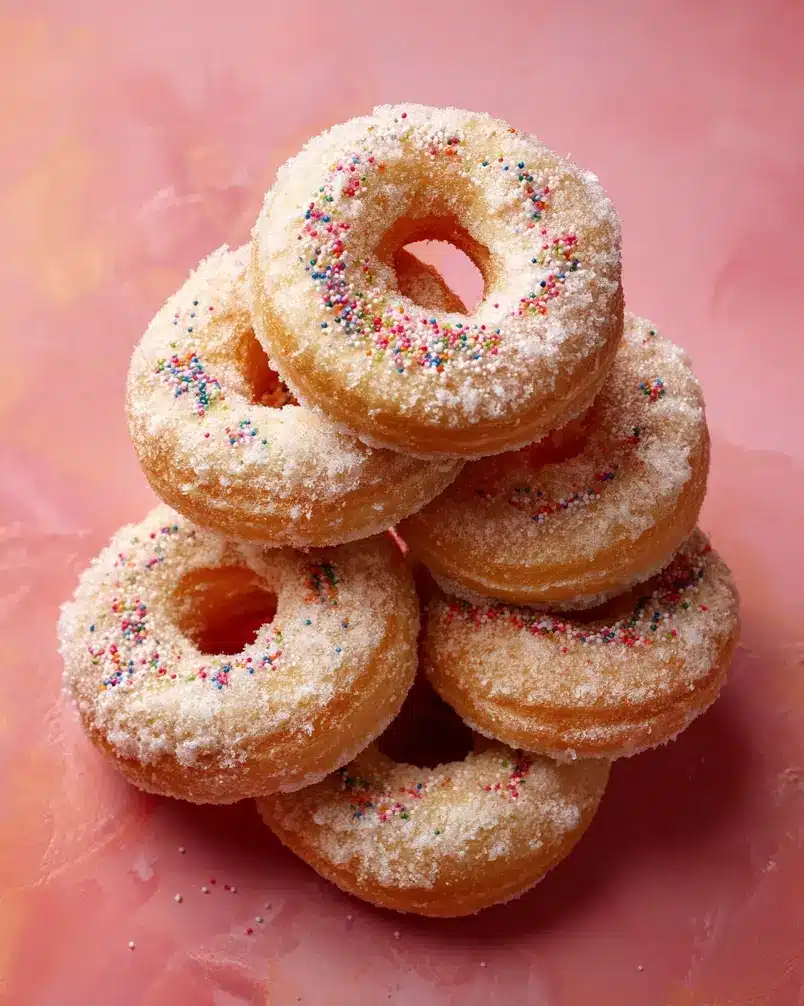
Crafting Your Masterpieces: Step-by-Step Instructions
Let’s roll up our sleeves and create some magic! These steps are designed to be clear, concise, and encouraging, ensuring your biscuit donuts turn out perfectly every time.
Step 1: Rise and Shine – Preparing the Dough
In a large mixing bowl, whisk together the flour, granulated sugar, baking powder, and salt. This dry blend forms the foundation of our biscuit donut. If you’re feeling fancy, a small pinch of cinnamon can be added here for a warm spice note – we know some of you love a little extra kick!
Step 2: Butter Me Up – Incorporating the Fat
Add the cold, cubed butter to the dry ingredients. Using a pastry blender, two knives, or your fingertips, cut the butter into the flour until the mixture resembles coarse crumbs with some pea-sized pieces of butter still visible. These butter pockets are key to creating those lovely flaky layers. Pro-Tip: Work quickly to keep the butter cold. The colder the butter, the flakier your donuts will be!
Step 3: Bringing it All Together – The Wet Ingredients
Pour in most of the milk (about 1/2 cup to start) and gently mix until just combined. The dough should be shaggy and slightly sticky. If it seems too dry, add the remaining milk a tablespoon at a time until it just comes together. Be careful not to overmix; we’re aiming for a tender biscuit texture, not a tough bread.
Step 4: A Gentle Rest (Optional, But Recommended)
Turn the dough out onto a lightly floured surface. Gently knead it just a few times (maybe 5-6 turns) to bring it together into a cohesive ball. Pat the dough into a disk about 3/4-inch thick. For best results, wrap it in plastic wrap and refrigerate for about 15-20 minutes. This chill helps the gluten relax and makes the dough easier to handle, leading to a better texture.
Step 5: Shape the Stars – Cutting the Donuts
Once chilled, unwrap the dough and place it on a lightly floured surface. Roll or pat it gently until it’s about 1/2-inch thick. Use a donut cutter or two round cutters (a larger one for the outside and a smaller one for the center hole) to cut out your donuts. You can re-roll the scraps gently once, but avoid overworking them for optimal tenderness. We’re aiming for about 8-10 donuts, depending on your cutter size.
Step 6: Get to Know Your Oil – Heating the Frying Medium
In a heavy-bottomed pot or Dutch oven, pour in enough oil to reach a depth of about 2 inches. Heat the oil over medium heat until it reaches 350°F (175°C). Use a thermometer for accuracy – this is crucial for perfectly cooked donuts. Too cool, and they’ll be greasy; too hot, and they’ll burn before they cook through.
Step 7: The Golden Hour – Frying the Biscuit Donuts
Carefully lay 2-3 donuts into the hot oil, ensuring not to overcrowd the pot. Fry for about 1-2 minutes per side, or until they are a beautiful golden brown and puffed up. Use a slotted spoon or spider strainer to gently flip them. Data Insight: Frying at the correct temperature (350°F/175°C) is critical. Studies show that oil temperatures deviating by just 25°F can increase oil absorption by up to 20%!
Step 8: Draining and Cooling – Preparing for Glaze
Once golden brown, remove the donuts from the oil and place them on a wire rack set over a baking sheet to drain any excess oil. Let them cool slightly before glazing.
Step 9: The Sweet Finale – Glazing Your Donuts
In a small bowl, whisk together the powdered sugar, milk (or cream), and vanilla extract until smooth. You’re looking for a consistency that’s thick enough to coat the donut but thin enough to drip beautifully. Dip the slightly warm donuts into the glaze, or spoon it over the tops. If you prefer a simple dusting, sprinkle generously with powdered sugar while still warm.
A Glimpse of Goodness: Nutritional Information
While these biscuit donuts are a treat, understanding their nutritional impact can help you enjoy them mindfully. (Note: Values are approximate and can vary based on ingredient specifics and portion size).
* Serving Size: 1 donut (average, without glaze)
* Calories: ~200-250 kcal
* Protein: ~3-4g
* Carbohydrates: ~25-30g
* Fat: ~10-15g
* Fiber: ~1g
Data Insight: Compared to traditional cake donuts, biscuit donuts can sometimes be slightly lower in calories and fat due to the method of preparation and ingredient ratios, offering a lighter indulgence.
Nourishing Navigations: Healthier Alternatives
We believe in making delicious food accessible to everyone and every diet. Here are some ways to lighten up your biscuit donuts:
* Whole Wheat Wonders: Replace half of the all-purpose flour with whole wheat flour for increased fiber and nutrients.
* Reduced Sugar Glaze: Use a monk fruit or stevia-based powdered sugar alternative for the glaze, or opt for a simple dusting of cinnamon.
* Air-Fried Option: While results may vary, you can try air-frying at around 375°F (190°C) for 5-7 minutes, flipping halfway, until golden. You’ll likely need to brush with a little oil before air frying. This significantly reduces the fat content.
* Berry Bliss: Top with fresh berries instead of a heavy glaze for a burst of natural sweetness and antioxidants.
* Gluten-Free Glamour: Experiment with a quality gluten-free flour blend. You might need to adjust the liquid slightly.
Elevate the Experience: Serving Suggestions
These biscuit donuts are incredibly versatile!
* Morning Marvel: Serve warm with a cup of coffee or a glass of fresh orange juice for a delightful breakfast treat.
* Afternoon Indulgence: Pair with afternoon tea or a light dessert wine for a sophisticated sweet bite.
* Brunch Bonanza: Arrange them as part of a brunch spread alongside fresh fruit, yogurt, and savory options.
* Dessert Delight: Serve with a scoop of vanilla bean ice cream or a dollop of whipped cream for a simple yet decadent dessert.
* Creative Toppings: Beyond glaze, consider a sprinkle of cinnamon sugar, a drizzle of chocolate ganache, or even a scattering of chopped nuts.
Navigating the Nuances: Common Mistakes to Avoid
Even the simplest recipes can have a few snags. Here’s how to steer clear of them:
Overmixing the Dough: This is the most common culprit for tough donuts. Mix just* until combined. Remember, we’re making biscuits, not bread!
* Butter Not Cold Enough: Warm butter melts too soon, preventing the creation of those desirable flaky layers. Keep it straight from the fridge!
* Incorrect Oil Temperature: As mentioned, this is critical. Use a thermometer and maintain a steady 350°F (175°C).
* Crowding the Pot: Frying too many donuts at once will drastically lower the oil temperature, leading to greasy, unevenly cooked donuts. Fry in small batches.
* Glazing Too Early: Letting the donuts cool slightly before glazing prevents the glaze from sliding off and ensures a beautiful finish.
Preserving the Pleasure: Storing Tips
While best enjoyed fresh, here’s how to store any leftover biscuit donuts:
* At Room Temperature: Store cooled, unglazed donuts in an airtight container at room temperature for up to 2 days. Unglazed donuts will stay fresher longer than glazed ones.
* Reheating: For a fresh-from-the-fryer feel, gently warm them in a low oven (around 250°F/120°C) for a few minutes.
* Freezing: You can freeze baked and cooled donuts (without glaze) for up to 1 month. Wrap them tightly in plastic wrap and then in foil. Thaw at room temperature and reheat as desired.
* Dough Prep: The biscuit donut dough can be made ahead and refrigerated for up to 24 hours. Let it sit at room temperature for about 15-20 minutes before shaping.
The Sweet Conclusion
There you have it – a journey into the delightful world of biscuit donuts! We’ve transformed a pantry staple into a delightful treat that’s quick, easy, and incredibly satisfying. These donuts prove that gourmet indulgence doesn’t always require hours of labor. They’re proof that sometimes, the simplest ingredients and a little bit of creativity can lead to the most delicious results.
Now it’s your turn! We encourage you to try this recipe and experience the joy of homemade biscuit donuts. Let us know in the comments below how yours turned out, or share any fun variations you experimented with! And if you loved this recipe, be sure to explore our other quick and easy baked goods – your next kitchen adventure awaits!
Frequently Asked Questions about Biscuit Donuts
Q1: Can I make these donuts thicker or thinner?
A1: Yes! Rolling the dough slightly thicker will result in a puffier donut, while rolling it thinner will yield a more delicate biscuit. Aim for about 1/2 to 3/4 inch thickness for the best balance.
Q2: What oil is best for frying biscuit donuts?
A2: A neutral, high-smoke point oil is ideal. Vegetable oil, canola oil, peanut oil, or grapeseed oil are excellent choices. Avoid olive oil or butter, as they can burn at the required temperatures.
Q3: How do I know when the donuts are cooked through?
A3: They should be a uniform golden brown on both sides, and they will puff up significantly. If you’re unsure, you can gently insert a toothpick into the center – it should come out clean. The internal temperature should be around 190-200°F (93-94°C).
Q4: Can I bake these instead of frying them?
A4: Yes, you absolutely can! While frying gives them that classic donut texture and golden crust, baking is a healthier alternative. Place them on a baking sheet, brush lightly with melted butter or oil, and bake at 400°F (200°C) for 12-15 minutes, flipping halfway, until golden brown. They will have a more scone-like texture.
Q5: My donuts are absorbing too much oil. What did I do wrong?
A5: This usually happens if the oil is not hot enough. Ensure your oil is consistently at 350°F (175°C) before adding the donuts and monitor it closely while frying. Also, avoid overcrowding the pot, as this causes the oil temperature to drop.
Q6: Can I use self-rising flour?
A6: You can, but you’ll need to adjust the recipe. Omit the baking powder and reduce the salt slightly. Self-rising flour contains leavening agents and salt, so it’s best to stick to the original recipe for predictable results, especially when first trying it out.