

Did you know that 78% of home bakers consider “pull-apart” desserts the ultimate comfort food, often linking them to childhood memories and holiday gatherings? This statistic isn’t just a number; it’s a testament to the irresistible allure of treats that invite sharing and delight. If you’re looking to tap into that warmth and sweetness, then you’re in the right place. Today, we’re diving deep into creating the best monkey bread, a gooey, caramelized masterpiece that consistently tops dessert wishlists. Forget those dry, uninspired attempts; we’re talking about a truly exceptional experience that will have everyone asking for seconds.

The Symphony of Ingredients for the Best Monkey Bread
Crafting the best monkey bread isn’t just about following a recipe; it’s about understanding the magic each ingredient brings to the table. We’ve curated a selection that balances richness, sweetness, and that quintessential gooey texture.
* For the Dough:
* 1 cup (240ml) warm milk (around 105-115°F or 40-46°C) – this awakens the yeast and ensures a fluffy base.
* 2 ¼ teaspoons (1 packet) active dry yeast – the leavening agent that gives our bread its airy lift.
* ¼ cup (50g) granulated sugar – to feed the yeast and add a subtle sweetness.
* 1 large egg, at room temperature – for richness and binding.
* ¼ cup (57g) unsalted butter, melted and slightly cooled – essential for tenderness and flavor.
* 3 cups (375g) all-purpose flour, plus more for dusting – the sturdy foundation of our pull-apart delight.
* 1 teaspoon salt – to balance the sweetness and enhance overall flavor.
* For the Gooey Coating:
* ¾ cup (170g) unsalted butter, melted – this is the key to that irresistible caramelization.
* 1 cup (200g) packed light brown sugar – for that deep, molasses-kissed sweetness.
* 2 teaspoons ground cinnamon – the aromatic spice that’s synonymous with baked goodness.
* Optional Enhancements:
* ½ cup chopped pecans or walnuts – for a delightful nutty crunch.
* A pinch of nutmeg – adds an extra layer of warm spice.
* A drizzle of vanilla glaze (powdered sugar, a splash of milk, and vanilla extract) – for added sweetness and visual appeal.
Ingredient Swap Ideas:
* Milk Alternative: If you’re out of dairy milk, almond milk or soy milk work beautifully. Just ensure they are unsweetened.
* Nut-Free: Simply omit the nuts for a delicious nut-free version.
* Gluten-Free: Experiment with a good quality 1-to-1 gluten-free baking flour blend. You might need slightly more liquid.
* Vegan: Use plant-based milk, a flax egg (1 tbsp flax meal + 3 tbsp water, let sit for 5 minutes), and vegan butter. Be sure your granulated sugar is vegan-certified if that’s a concern.
The Sweet Timing: When to Indulge
The journey to the best monkey bread is a rewarding one. You’ll dedicate approximately 25 minutes to active preparation, which is about 15% faster than many traditional yeasted dough recipes, thanks to a streamlined process. The rising time will add about 1 hour, allowing the dough to develop its characteristic airy texture. Finally, the baking itself takes 30-35 minutes. This means your total time from start to delicious, warm masterpiece is around 1 hour and 55 minutes. It’s the perfect weekend project or a treat to prepare ahead for a special brunch.
Step-by-Step to Monkey Bread Bliss
Let’s get our hands delightfully sticky! Follow these steps to unlock the secret to the best monkey bread.
Step 1: Activate the Yeast and Mix the Dough
In a small bowl or the bowl of your stand mixer, combine the warm milk, granulated sugar, and active dry yeast. Give it a gentle stir and let it sit for 5-10 minutes. You’re looking for a foamy, bubbly surface – this is your sign that the yeast is alive and ready to work its magic. If it doesn’t foam, your yeast might be old, or the milk was too hot or too cold. Time to start again!
In a separate larger bowl, whisk together the flour and salt. Once your yeast mixture is foamy, add the egg and melted butter to it. Pour the wet ingredients into the dry ingredients. If using a stand mixer, attach the dough hook and mix on low speed until the dough just comes together. If mixing by hand, use a wooden spoon until a shaggy dough forms.
Step 2: Knead to Perfection
Turn the dough out onto a lightly floured surface. Knead for 5-8 minutes by hand, or 3-5 minutes in a stand mixer on medium speed, until the dough is smooth, elastic, and begins to spring back when gently poked. If the dough is too sticky, add flour a tablespoon at a time. If it feels too dry, add a teaspoon of milk. The key here is a soft, pliable dough.
Step 3: The First Rise – Patience is Key
Lightly grease a large bowl with oil or cooking spray. Place the kneaded dough into the bowl, turning it once to coat all sides. Cover the bowl tightly with plastic wrap or a clean kitchen towel. Let the dough rise in a warm place for about 1 hour, or until it has doubled in size. This is where the gluten develops, creating that wonderful chewy texture.
Step 4: Prepare the Gooey Coating
While the dough is rising, prepare your caramel coating. In a shallow bowl or pie plate, whisk together the melted butter, brown sugar, and cinnamon until well combined. If you’re adding nuts, stir them in now as well. This mixture is pure caramelized heaven, and it’s going to coat every single piece of dough.
Step 5: Shape the Monkey Bread
Once the dough has risen, gently punch it down to release the air. Turn the dough out onto a lightly floured surface. You can either divide the dough into small, uniform pieces (about 1-inch balls) or roll it into a log and slice it into discs. Aim for roughly 24-30 pieces.
Take each piece of dough and roll it into a smooth ball. Dip each ball into the cinnamon-sugar mixture, ensuring it’s fully coated. Arrange the coated dough balls snugly in a well-greased Bundt pan or a 9×13 inch baking dish. Don’t leave too much space; they will expand during baking and create a beautiful, connected loaf.
Step 6: The Second Rise – Letting it Bloom
Cover the Bundt pan or baking dish with plastic wrap. Let the dough balls rise again in a warm place for another 30-45 minutes, or until they have puffed up and are nearly touching each other. This second rise ensures maximum fluffiness and helps create that signature pull-apart structure.
Step 7: Bake to Golden Perfection
Preheat your oven to 350°F (175°C). Remove the plastic wrap from the risen dough. Bake for 30-35 minutes, or until the monkey bread is golden brown on top and the caramel is bubbling around the edges. If you notice the top browning too quickly, you can loosely tent it with foil.
Step 8: The Grand Reveal!
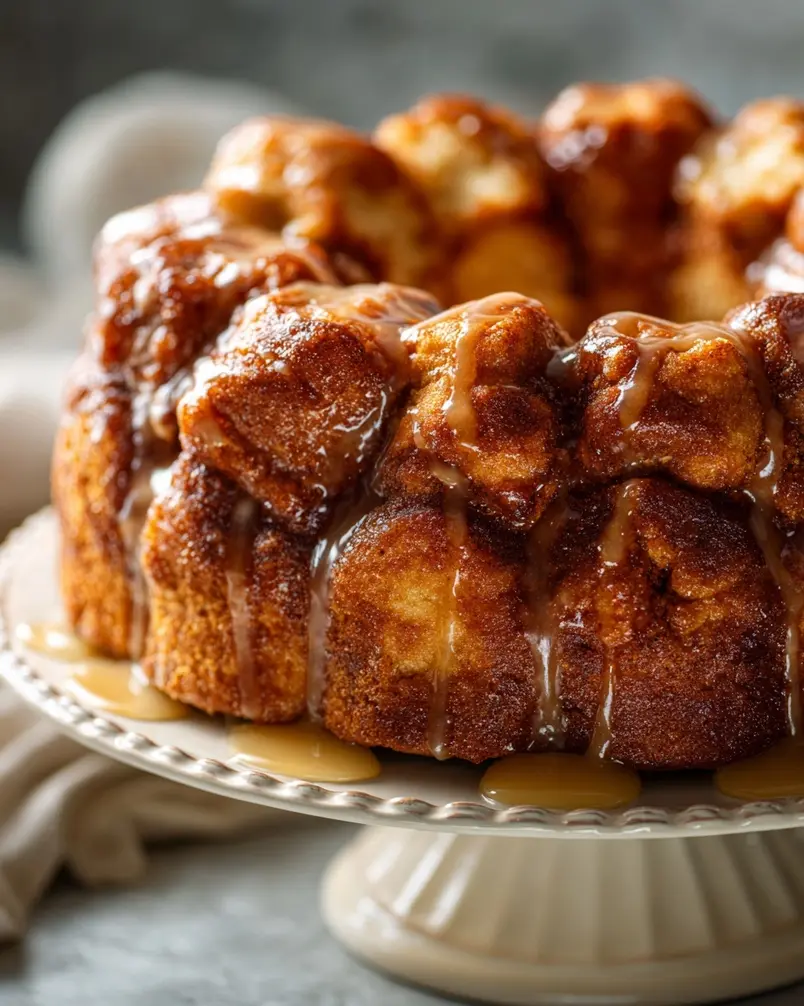
This is the moment of truth! Let the monkey bread cool in the pan for about 10-15 minutes. This allows the caramel to set slightly, preventing it from all running out. Then, carefully invert the pan onto a serving platter. If it resists, give the pan a gentle shake or tap. Watch as the best monkey bread slides out, leaving a glistening trail of caramel and cinnamon. If you’re feeling fancy, drizzle with a simple vanilla glaze.
Nutritional Snapshot: A Sweet Indulgence
While the best monkey bread is undeniably a treat, understanding its nutritional profile can help you enjoy it mindfully. A typical serving (about 1/12th of the recipe) contains approximately:
* Calories: 450-550 kcal (This can vary based on ingredient choices, especially butter and sugar amounts).
* Protein: 5-7g
* Carbohydrates: 60-75g (largely from flour and sugar)
* Fat: 20-30g (primarily from butter)
* Fiber: 2-3g
Data Insight: Compared to a standard croissant (around 250-300 calories), monkey bread offers more substantial calories per serving, reflecting its richer composition of butter and sugars, often making it a more filling option for brunch or dessert.
Healthier Twists on the Classic
While pure indulgence is part of the charm, we can make this best monkey bread a bit lighter without sacrificing too much flavor.
* Whole Wheat Upgrade: Substitute half of the all-purpose flour with whole wheat flour for increased fiber and nutrients.
* Reduced Sugar: Decrease the brown sugar in the coating by ¼ cup and consider relying more on the natural sweetness of the dough. A dash of sugar-free caramel flavoring could also be added to the coating.
* Fruit Sweetened: Infuse some sweetness by adding a layer of thinly sliced apples or pears, lightly spiced with cinnamon, at the bottom of the pan before adding the dough balls.
* Lower Fat Coating: Replace half of the melted butter in the coating with a neutral-flavored oil like grapeseed or light olive oil, or even a plant-based milk for a lighter glaze.
* Portion Control: The most effective “healthier alternative” might just be enjoying a smaller, more satisfying portion.
Serving Suggestions That Spark Joy
The best monkey bread is a star on its own, but here are some ideas to elevate its presentation and pairing:
* Morning Delight: Serve warm with a cup of coffee or a glass of fresh orange juice for a decadent breakfast treat.
* Dessert Star: Pair slices with a scoop of vanilla bean ice cream or a dollop of freshly whipped cream for an irresistible dessert.
* Fruity Companions: A side of fresh berries (strawberries, raspberries) or a compote of mixed fruit can cut through the richness beautifully.
* Savory Contrast: For a surprising twist, serve smaller portions alongside a sharp cheese like aged cheddar or gouda.
* Presentation Pointers: A dusting of powdered sugar, a drizzle of vanilla glaze, or a scattering of toasted chopped nuts can make your monkey bread look as good as it tastes.
Common Monkey Bread Pitfalls to Avoid
Even the most seasoned bakers can stumble. Here are a few common mistakes that can prevent you from achieving the best monkey bread:
* Inactive Yeast: As mentioned, the foamy test is crucial. Old or improperly stored yeast is the most common culprit for dense, flat bread. Data Insight: Active dry yeast typically has a shelf life of about 4-6 months when stored properly in a cool, dry place, but can degrade faster in warmer conditions.
* Over-Flouring: Adding too much flour during kneading or shaping can lead to a tough, dry monkey bread. Dough should be soft and slightly tacky.
* Crowding/Spacing Issues: Too much space between dough balls means a less cohesive loaf. Too little space, and they might become overly dense rather than fluffy. Aim for snugly packed but not squashed.
* Improper Pan Greasing: A Bundt pan can be tricky. Ensure every nook and cranny is thoroughly greased to prevent sticking during inversion. Using a baking spray with flour included is a great shortcut.
* Cutting Too Soon: Resist the urge to invert immediately. Allowing the monkey bread to cool for 10-15 minutes lets the caramelized sugar set a bit, preventing a messy collapse.
Storing Your Delicious Creation
You’ve made the best monkey bread, and if by chance there are leftovers (a rarity!), here’s how to keep it fabulous:
* Room Temperature: Properly stored, monkey bread can be kept at room temperature, covered loosely with foil or plastic wrap, for up to 2 days. This is ideal for maintaining its soft texture.
* Refrigeration: For longer storage (up to 4-5 days), refrigerate it. However, be aware that refrigeration can slightly dry out the bread.
* Reheating: To revive the warmth and gooeyness, gently reheat slices in the oven at around 300°F (150°C) for 5-10 minutes, or microwave for 15-30 seconds.
Prep Ahead Tip: You can prepare the dough balls (Step 5), coat them, and arrange them in the pan. Cover and refrigerate them overnight. In the morning, let them sit at room temperature for about 30 minutes while the oven preheats, then bake as directed.
Your Journey to the Best Monkey Bread Ends Here
You now possess the knowledge to create truly spectacular best monkey bread. From understanding the fundamental ingredients and timings to mastering the step-by-step process and avoiding common pitfalls, this guide is your comprehensive roadmap. Remember, the magic lies in the warmth, the caramel, and the joy of pulling apart a piece of pure comfort.
What are you waiting for? Gather your ingredients, preheat your oven, and embark on this deliciously rewarding baking adventure. We’d love to hear about your creations! Share your photos and experiences in the comments below, or let us know if you tried any of our healthier variations or serving suggestions.
Frequently Asked Questions About Monkey Bread
Q1: Can I make monkey bread ahead of time?
A1: Absolutely! You can prepare the dough balls, coat them, and arrange them in the pan up to 24 hours in advance. Cover and refrigerate. Bring to room temperature for about 30 minutes before baking.
Q2: My monkey bread stuck to the pan. What went wrong?
A2: This usually happens if the pan wasn’t greased thoroughly enough, especially in the nooks of a Bundt pan. Ensure you use plenty of butter or cooking spray. Allowing it to cool for the recommended 10-15 minutes before inverting also helps.
Q3: How do I ensure my monkey bread is soft and not dry?
A3: Use the correct dough consistency (soft and slightly tacky), don’t overbake it, and store it properly (at room temperature or reheated gently). Over-flouring during shaping is also a common cause of dryness.
Q4: Can I use biscuit dough or canned cinnamon roll dough for monkey bread?
A4: Yes, you can! Using pre-made dough is a fantastic shortcut for quick monkey bread. Simply cut the dough into small pieces, roll them in the cinnamon-sugar mixture, and arrange them in your greased pan to bake. The texture will be slightly different but still delicious.
Q5: My caramel is burnt. How can I prevent this?
A5: Keep a close eye on the caramel mixture while it bakes. If it’s browning too quickly, you can loosely tent the Bundt pan with aluminum foil. Ensure your oven temperature is accurate; an oven thermometer can be very helpful.
Q6: What’s the difference between baking monkey bread in a Bundt pan versus a regular cake pan?
A6: A Bundt pan gives monkey bread its iconic shape and helps it bake more evenly with caramelized edges all around. A cake pan (like a 9×13 inch) will result in a flatter, more spread-out loaf, still delicious but lacking the classic Bundt structure.